
Patient Education
Radial vs. Focused Shockwave Therapy Explained
At a glance
Shockwave devices generally fall into two categories: radial, which spreads lower-energy pulses more toward the surface, and focused, which concentrates higher-energy pulses at a specific depth. Neither is universally better; each suits different tissue depths and conditions. What matters most for a patient is knowing which type a given device is and why it was chosen for their case, which is a question worth asking directly rather than assuming.
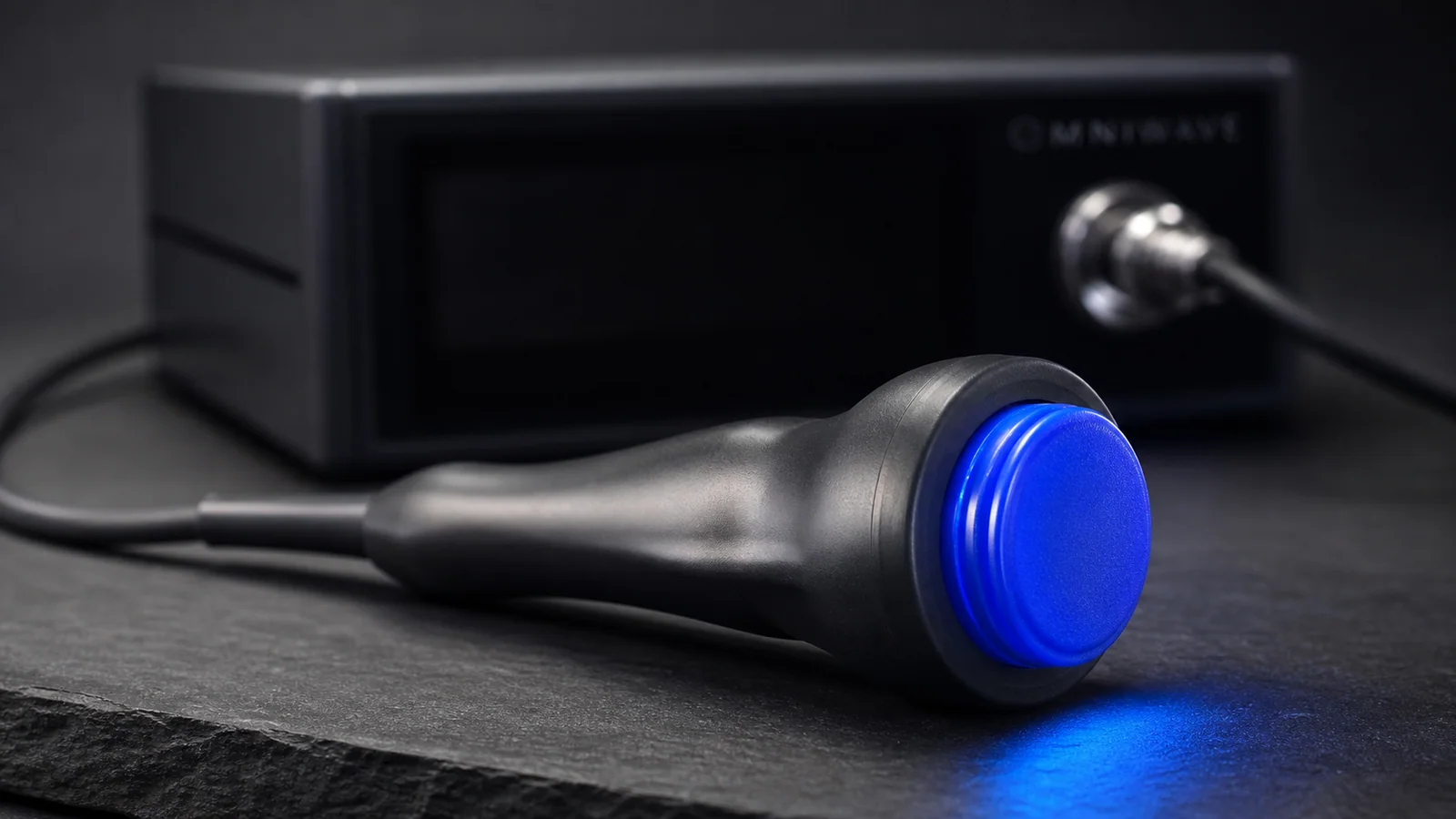
“Shockwave therapy” is not one single treatment. It is a category that includes at least two meaningfully different kinds of devices, and understanding the difference is more useful to a patient than any marketing claim about a specific machine. This is the plain explanation, without asserting where any one device fits.
Patients rarely ask about this distinction by name, but they notice its effects: two people getting “shockwave” at two different clinics can have genuinely different experiences, both in sensation and in what the treatment is actually reaching inside the tissue. Knowing the general categories makes those differences make sense, instead of feeling inconsistent or confusing.
The two general categories
Acoustic wave devices used in musculoskeletal care are generally described as either radial or focused. A musculoskeletal review describing how focused and radial shockwaves differ physically lays out the distinction clearly: focused devices concentrate the wave’s energy at a specific, adjustable depth within the tissue, similar to how a magnifying glass concentrates light at a point. Radial devices spread lower-energy pulses outward from the skin surface, with the pressure diminishing the deeper it travels.
Neither design is universally better. They are built for different jobs.
Why depth changes the decision
The practical difference is where the energy actually lands. A focused device can reach deeper structures with more precision, which matters for tissue that sits further from the surface. A radial device covers a broader, shallower area more easily, which can suit conditions closer to the skin or spread across a wider region of muscle.
A systematic review comparing radial and focused shockwave outcomes across tendon conditions found that the two approaches are not interchangeable across every condition studied: results varied by which tissue was being treated and how deep it sat, rather than one category outperforming the other universally. That is a more honest summary than any single “which is better” headline would suggest.
Depth and sensation both trace back to the same design choice. Neither type is inherently the superior device; they are built for different depths and different jobs.
Why sensation differs between the two
Patients often notice a difference in how the two types feel. Focused pulses, concentrated at depth, are frequently described as more intense at the treatment site. Radial pulses, spread more broadly near the surface, tend to feel more like a diffuse tapping. Neither description should be read as “worse,” since intensity is adjustable on both types and tolerance varies by person and by area being treated.
Be skeptical of “strongest on the market” claims
Marketing around shockwave devices frequently leans on language like “highest output” or “deepest penetration,” as if there were a single scale where more is automatically better. There is not. A focused device set to its maximum depth is not a better choice for a superficial condition than a properly used radial device, and a device with a higher peak pressure rating is not automatically more effective for a given patient’s tissue.
What actually predicts a good outcome has more to do with an accurate diagnosis, the right device type and depth for that specific tissue, and a course of sessions paired with proper loading afterward. None of that shows up in a spec sheet, and none of it is captured by a superlative on a website, including this one.
The question worth asking, and why we are not answering it for you
We are being deliberately careful here: whether the OmniWave device used at this practice is properly classified as radial or focused has not been confirmed against the manufacturer’s own published specification, and we would rather say that plainly than guess. APTA’s magazine feature on how clinics select a shockwave modality makes a similar point from the clinician’s side: the choice of device matters less than whether the treating provider understands why it was chosen for a given case.
If you are considering shockwave anywhere, including here, it is a reasonable question to ask directly: what type is this device, and why is it the right one for what you have. A look at how shockwave sessions actually run at this practice covers the exam and session process in more detail, and it sits alongside the other pain-relief tools available here for the cases where tendon pain is not the primary driver.
Questions we get asked
Is focused shockwave always stronger than radial?
Focused devices generally deliver higher peak energy to a smaller, deeper target, while radial devices spread lower energy across a larger, more surface-level area. "Stronger" depends on what you are measuring and where the target tissue actually sits, which is why the distinction is about design rather than a simple ranking.
Which type of shockwave is more likely to be uncomfortable?
Focused shockwave, concentrated at a specific depth, is often reported as more intense at the treatment site than radial, which spreads its energy more broadly. Comfort also depends heavily on the individual, the area being treated, and how the intensity is set during the session.
What type of device is the OmniWave used at this practice?
We are intentionally not classifying it as one or the other on this page. The distinction is a real clinical difference, and we would rather confirm the manufacturer's own specification directly than assert a category. Ask us at your visit and we will show you the device and discuss it.
Does the type of device change how many sessions I need?
It can be one factor among several, but it is not the main driver. How long the tissue has been irritated, how deep it sits, and how you respond between sessions matter more. The exam and your response to early sessions are what actually shape the number of visits recommended.
Should I choose a clinic based on which type of device it uses?
Device type is one detail worth knowing, but it is not the most important one. How thoroughly a clinic examines you before treating, and whether the person running the device does it regularly, tend to matter more for your outcome than which category the equipment falls into.