
Chiropractic Care
Chiropractic Adjustments in St. Augustine
A chiropractic adjustment is a precise, controlled force applied to a spinal joint that has lost its normal position or motion, to restore that motion and take pressure off the nerves, ligaments and muscles around it. At Spinal Solutions it is the starting point for most people, and it is layered with e-stim, traction and corrective exercise when the exam says the joint alone is not the whole story.
- Digital X-ray on site
- Two chiropractors on staff
- Medicare Part B path for spinal manipulation
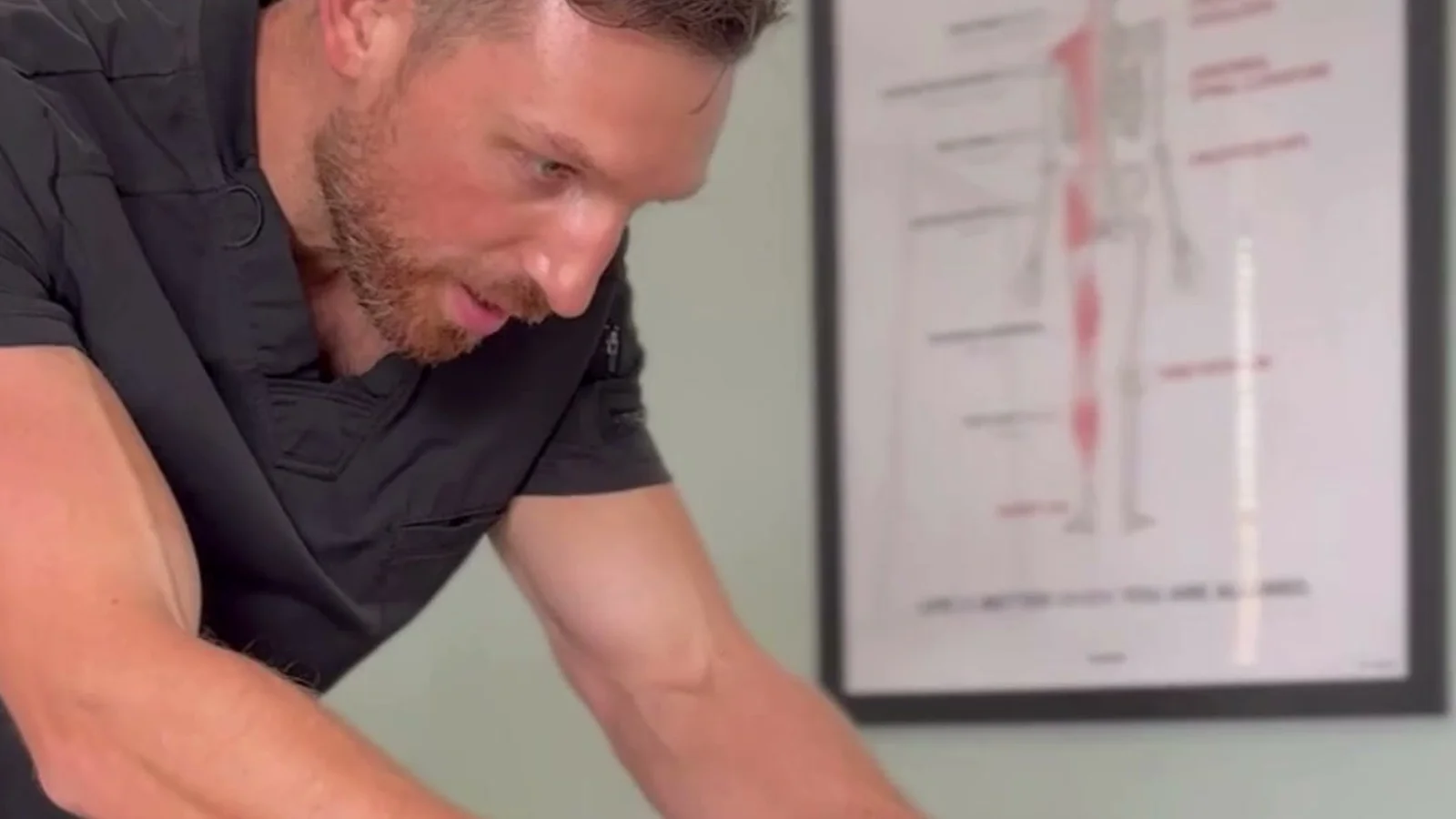
What an adjustment is actually doing
A spinal joint is meant to move through a small, specific range. When it stops doing that, the muscles around it take over the work, the ligaments and nerves nearby get irritated, and the body starts borrowing motion from the joint above or below. That borrowed motion is why a problem in one place so often shows up as pain somewhere else.
An adjustment restores the motion at the joint that lost it. The force is small, fast and specific, which is what separates it from stretching or general manipulation. Restoring motion at the right level takes the strain off the tissue that has been compensating, which is usually where the pain is being felt.
That is also why the exam matters more than the adjustment. Finding the joint that stopped moving is the hard part. Adjusting it is straightforward once you know. If you want a plain-language read on the evidence behind the technique before you book, what the current research says about spinal manipulation is a good place to start.
E-stim and traction, and why they are not extras
Patients name both of these often enough that they deserve saying out loud rather than hiding on a menu.
Electrical muscle stimulation puts a low current through a muscle that has locked down around an irritated joint. A muscle that is guarding will fight an adjustment, so settling it first tends to make the adjustment hold longer. Traction does the opposite job: it unloads a joint or a disc, creating the space the adjustment needs.
Neither is applied by default, and neither is charged as a package. They are used when a finding on the exam says they are the right addition, which is the same rule that governs everything else here.
What we do not do
We do not sell lifetime plans up front, we do not adjust everybody the same way, and we do not treat a result that is not happening as a reason to keep going. If a course of adjusting is not moving your pain in the direction it should, that is information, and it usually means the driver is somewhere the adjustment cannot reach: a disc, a tendon, or something that belongs with a medical provider rather than a chiropractor.
Two patients with the same diagnosis may respond differently to the same treatment.
That is the practice’s own line, and it is the reason the plan gets built after the findings rather than before them.
Conditions we treat with this
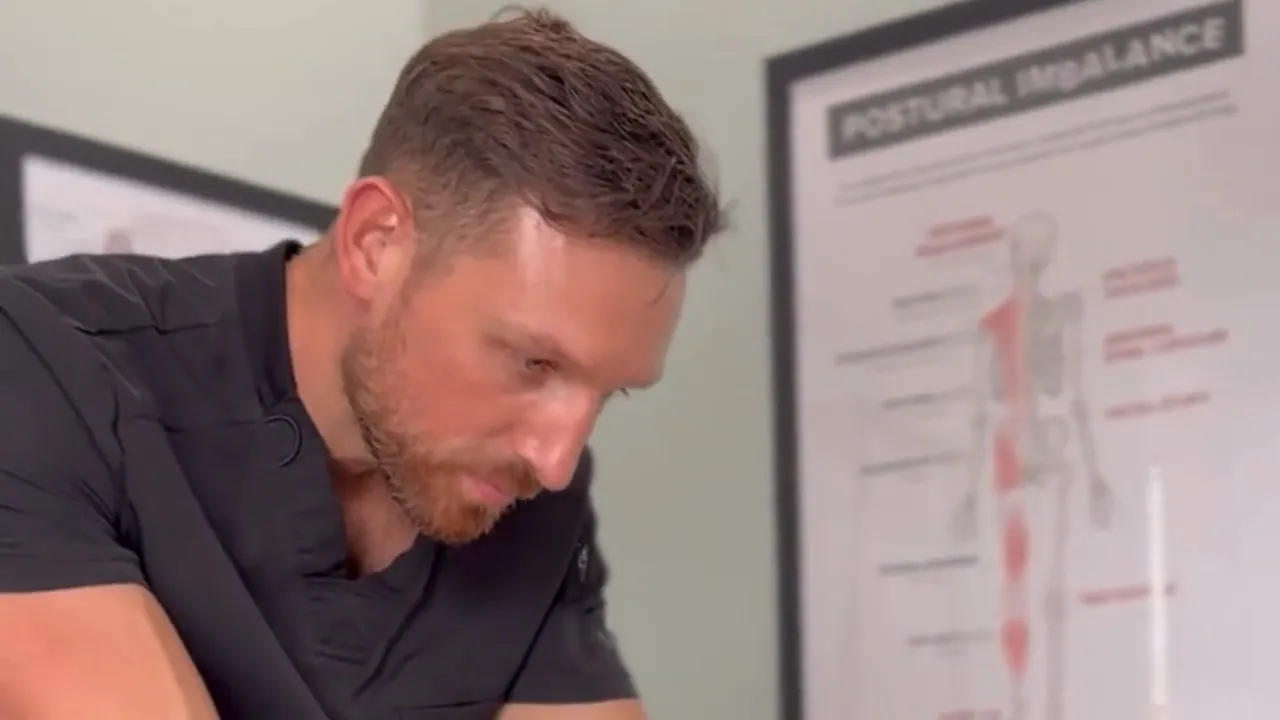

How it compares to the alternatives
| Option | Best for | Worth knowing |
|---|---|---|
| Adjustment on its own | A joint that has stopped moving well, without much soft tissue or disc involvement | The cheapest and fastest route when it is genuinely the whole problem. Often it is not. |
| Adjustment plus corrective rehab | Pain that keeps coming back to the same place after it settles | What most people here end up on. The adjustment changes what the joint can do, the rehab makes it stick. |
| Adjustment plus decompression | A disc pressing on a nerve, with pain traveling into a leg or arm | Adding the DRX9000 when the exam and imaging point at the disc rather than the joint. |
| Medication or injections | Short-term control of severe inflammatory pain | Managed by a medical provider, not here. It quietens the signal without changing the mechanics. |
Who this helps, and who it does not
Usually a good fit
- Pain and stiffness that gets worse with certain positions or movements
- A joint or region that feels stuck rather than simply sore
- Headaches that track back to neck tension and posture
- You would rather try conservative care before medication or surgery
Not the right treatment
- An unstable fracture, or bone weakened by significant osteoporosis
- Signs of infection, or unexplained weight loss alongside the pain
- Progressive weakness, numbness or loss of bladder or bowel control
- A joint that has been surgically fused at the level in question
If this is you, we will say so and point you somewhere better.
What to expect
- 01 The exam comes first
We take a history, watch how you actually move, and run orthopedic and neurological testing. Digital X-ray happens on site where it is clinically warranted, not by default.
- 02 You see the findings
Before anything is adjusted, you are shown what we found and why it explains what you are feeling. If it does not explain it, we say that too.
- 03 The adjustment itself
A quick, specific force applied by hand or with an instrument. Most people hear a pop, which is gas releasing in the joint, and most describe relief rather than pain.
- 04 What gets layered on
Electrical muscle stimulation to quieten a muscle that is guarding, traction to unload a joint, and corrective exercise so the change holds between visits.
What it costs and how payment works
Everyone starts at the same place: the $47 new-patient evaluation, which covers the consultation, full orthopedic and neurological testing, digital imaging if it is clinically necessary, a findings review, and a trial shockwave or red light therapy session where it is appropriate before anything is recommended. Medicare Part B covers manual manipulation of the spine to correct a subluxation, though it does not cover the exam, the imaging or most therapies, so we will tell you plainly which parts of a plan fall outside it. We handle PIP and personal injury cases directly, and we offer in-house care plans, wellness plans and CareCredit financing.
Why have it done here
Two chiropractors, digital X-ray in the building, and the rehabilitation and equipment side of the practice on the same plan. That combination is why an adjustment here is rarely the only thing you get, and why nobody is put on a table before an exam explains what the table is meant to fix.
This sits inside our wider chiropractic care, so if it turns out not to be what you need, the alternative is in the same building.
Book the $47 evaluationWhat patients say
5.0 from 166 Google reviewsLast summer my back was in terrible shape after a day riding on a jet ski. I went to Dr. Derek and he provided some immediate relief but also introduced some critical stretch and strength techniques to help with injury prevention. 8 Months later I continue to visit once a month as continued preventative maintenance.
The entire team at Spinal Solutions has been great from start to finish. Knowledgeable, friendly and effective, my neck and back issues have never been kept at bay the way they have since I have been in Dr. Derek’s care. 10/10 recommend!
Where to find us
The clinic sits at 276 Paseo Reyes Dr in St. Augustine, Florida, just off U.S. 1 at World Golf Parkway, near the entrance to the Palencia neighborhood. Most people coming in for adjustments and ongoing chiropractic care drive in from across St. Johns County, and the office is a straight run up or down U.S. 1 from either end of it.
- Palencia
- World Golf Village
- Nocatee
- Ponte Vedra
- Julington Creek
- Downtown St. Augustine
Questions we get asked
Does a chiropractic adjustment hurt?
For most people, no. The adjustment itself takes a second and is usually described as relief rather than pain. If the area is already inflamed you may feel tender for a day afterwards, in the way muscles feel after unfamiliar exercise. We adjust with an instrument instead of by hand when a joint is too irritable for a manual technique.
What is the popping sound?
It is gas releasing from the fluid inside the joint as the surfaces separate slightly. It is not bone cracking and it is not a measure of whether the adjustment worked. Instrument-assisted adjustments often make no sound at all and still restore motion.
Does Medicare cover chiropractic adjustments?
Medicare Part B covers manual manipulation of the spine to correct a subluxation. It does not cover the initial exam, X-rays, or most therapies such as e-stim and traction. That distinction matters, so we go through it with you before care starts rather than after a bill arrives.
How many visits will I need?
It depends on the cause and how long it has been there. Some people improve within the first few visits, while long-standing problems usually need an ongoing plan. You get a recommended number and a cost at the findings review, before anything begins.
Do you use e-stim and traction as well?
Yes, when the exam calls for them. Electrical muscle stimulation helps settle a muscle that is guarding around an irritated joint, and traction unloads a joint or disc so the adjustment has somewhere to go. Neither is applied as a default; both are used because a finding justifies them.
Can I be adjusted if I have had spinal surgery?
Often yes, but not at a fused level, and the technique changes. Tell us about any surgery or hardware at the first visit. If adjusting is not appropriate for you, we will say so and work with what is.
Request your appointment