
Chiropractic Care
Soft Tissue Treatments in St. Augustine
Soft tissue treatment is hands-on and instrument-assisted work on muscle, tendon and fascia: myofascial release, trigger point therapy and targeted instrument work. At Spinal Solutions it is used to release the tissue that keeps pulling a joint back out of position, so an adjustment holds for longer than the drive home.
- Delivered by the treating chiropractor
- Paired with adjusting, never sold alone
- Exam first, every time
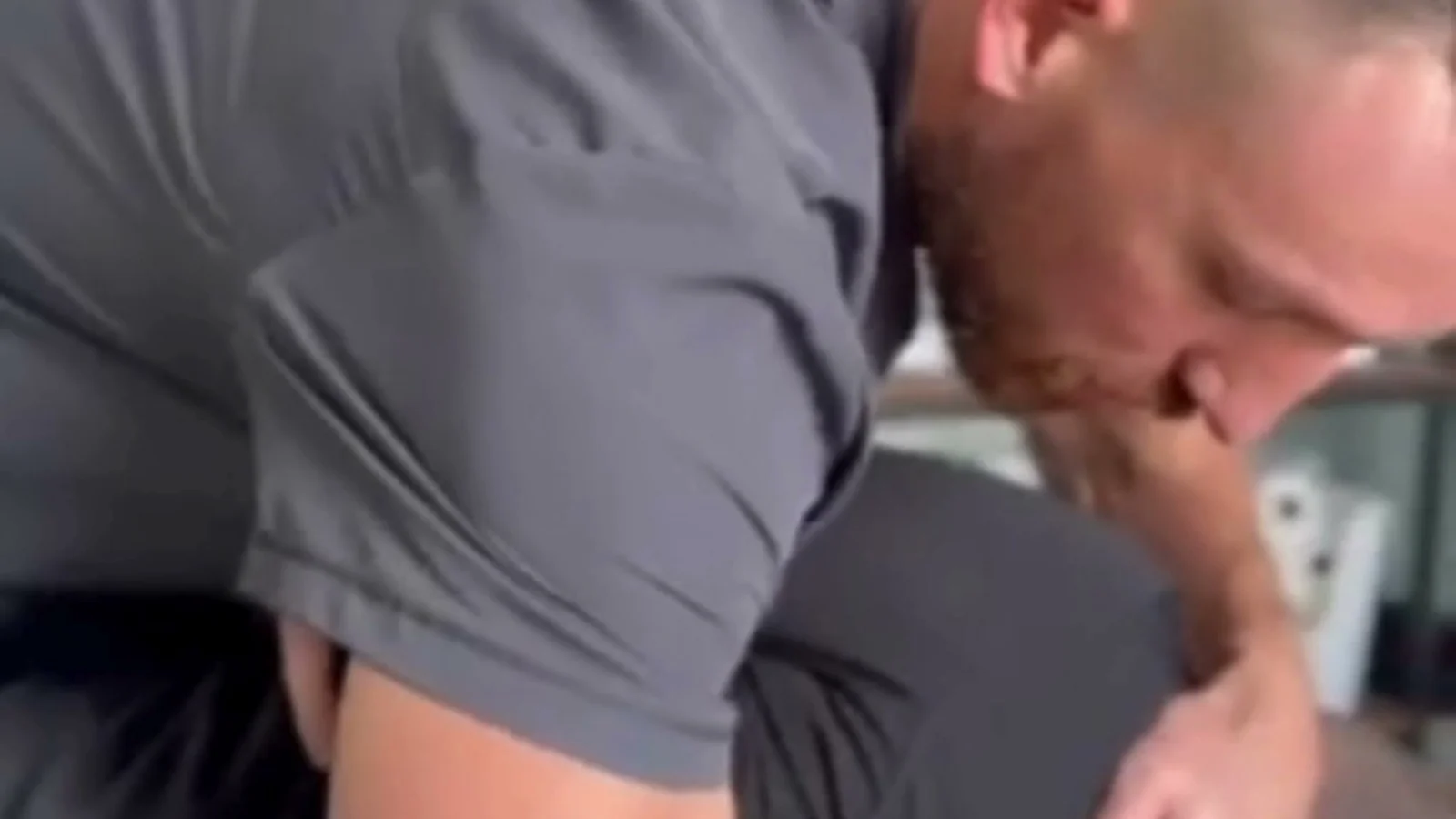
The muscle is usually the reason it keeps coming back
Most people who have had the same problem three or four times do not have three or four problems. They have one joint that keeps losing its motion and one band of tissue that keeps pulling it back out. Treat only the joint and you get a good week. Treat only the tissue and the joint reasserts itself. The pair is the problem.
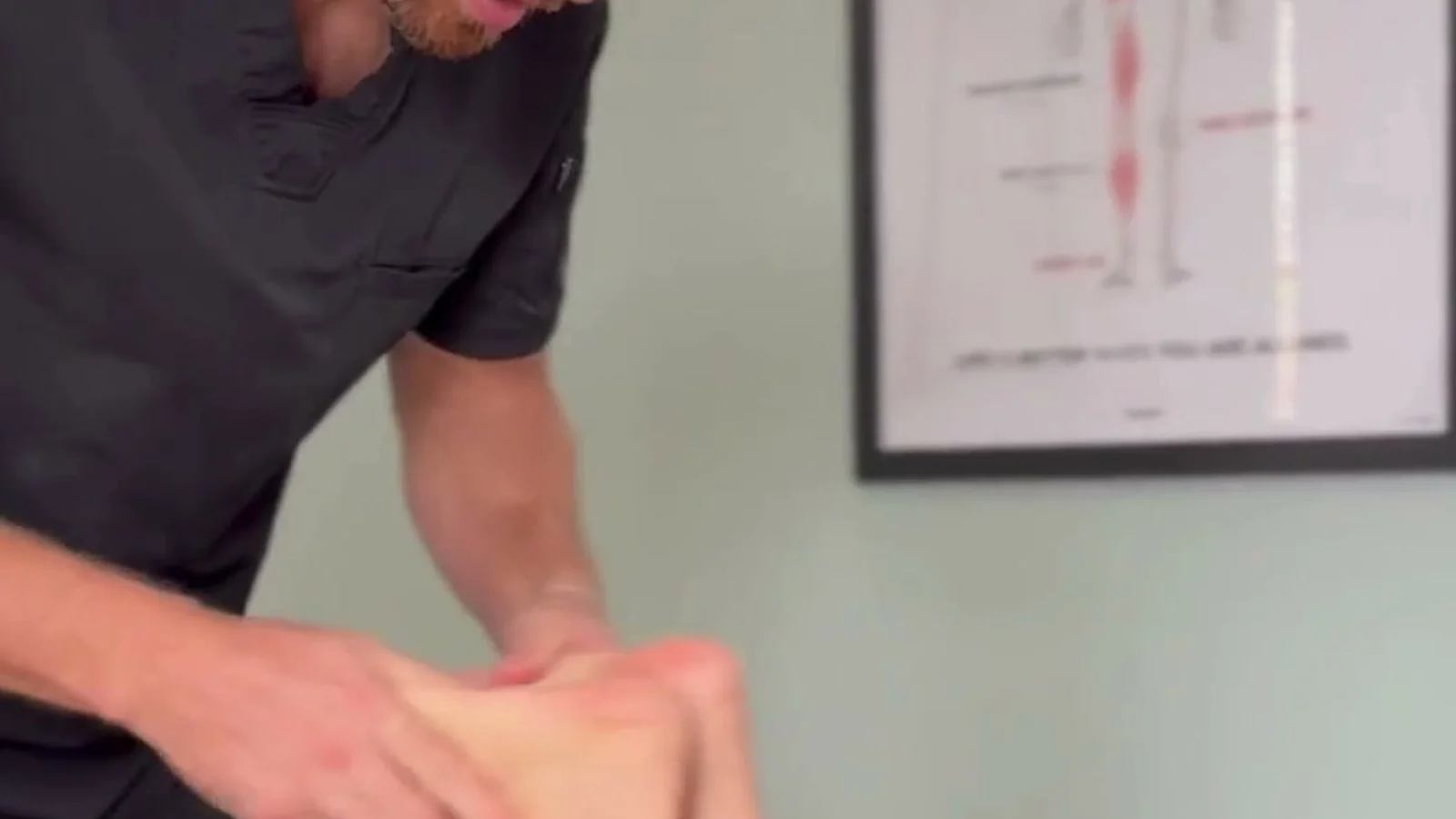
Soft tissue treatment here means a few specific things. Myofascial release is sustained pressure into a restricted band of fascia until it lets go, often with you moving the limb while the pressure is held. Trigger point therapy targets a knot that refers pain somewhere else when it is pressed, which is why a spot between the shoulder blades can be the reason a headache keeps arriving. Instrument-assisted work uses a hand-held tool to find and treat adhesions the fingers cannot feel as clearly.
Strains and the tissue changes that follow them are well documented, and the NIAMS overview of sprains and strains sets out the normal course of healing and when it needs more than rest.
What we are not
We are not a massage practice and we do not have a massage therapist on the team. That is worth stating plainly, because the old website said otherwise and it was wrong. Amy Vanover is a rehabilitation assistant, and the soft tissue work in this practice is delivered clinically by the chiropractors as part of a plan built on an exam.
If what you actually want is an hour of relaxation massage, that is a completely reasonable thing to want, and there are good therapists in St. Augustine who do it well. It is not what this page is offering.
When the tissue is not the answer
Tendon pain that has been there for months, has stopped responding to hands-on work, and flares every time you load it is often past the point where manual release helps. That is what the OmniWave shockwave unit is in the building for. Pain traveling down a leg or an arm along a nerve path usually means the disc is driving it, not the muscle, and that goes to the decompression side of the practice instead.
Being told which of those you are is the point of the first visit.
Conditions we treat with this

How it compares to the alternatives
| Option | Best for | Worth knowing |
|---|---|---|
| Soft tissue work in a chiropractic plan | Tight tissue that is holding a joint restriction in place | Targeted at the tissue the exam identified, and paired with the adjustment that needs it. |
| Massage for relaxation | General tension, stress and recovery | A genuinely good thing, and not what this is. We do not have a massage therapist on staff and do not offer it. |
| Shockwave therapy | Tendon and soft tissue pain that has stopped responding to hands-on work | The next step up when manual work has plateaued. Same building, different tool. |
| Stretching on your own | Maintenance once the tissue has actually released | Cheap and effective as upkeep. Rarely enough on its own to release a long-standing trigger point. |
Who this helps, and who it does not
Usually a good fit
- A muscle or band of tissue that stays tight no matter how much you stretch it
- Pain that refers somewhere else when the tight spot is pressed
- A joint problem that keeps returning within days of feeling better
- Desk posture or repetitive loading that keeps re-tightening the same area
Not the right treatment
- An open wound, active skin infection or recent surgical site in the area
- A suspected acute tear or rupture, which needs imaging first
- Anticoagulant therapy or a bleeding disorder, without medical clearance
- Pain that is clearly coming from a disc rather than the tissue around it
If this is you, we will say so and point you somewhere better.
What to expect
- 01 We find the tissue that matters
Palpation and movement testing to locate the tissue that is actually restricting you, rather than working on wherever it happens to hurt.
- 02 Release the restriction
Sustained pressure, movement under load, or a hand-held instrument depending on the tissue and how irritable it is. You may be asked to move while pressure is held.
- 03 Adjust while the tissue is quiet
A muscle that has just released stops fighting the adjustment, which is why the two are sequenced this way rather than booked separately.
- 04 Load it before you leave
A short piece of corrective work so the tissue relearns the new length. Without it, the old pattern usually reasserts itself within a week.
What it costs and how payment works
Soft tissue work is part of a care plan rather than a standalone product, so the cost sits inside the plan you are quoted at your findings review. Everyone starts with the $47 new-patient evaluation, which covers the consultation, orthopedic and neurological testing, digital imaging if it is clinically necessary, the findings review, and a trial shockwave or red light therapy session where it is appropriate itself. We handle PIP and personal injury cases directly. Note that Medicare Part B covers manual spinal manipulation to correct a subluxation and does not extend to soft tissue therapies, so that portion would fall to a care plan or financing through CareCredit.
Why have it done here
The person releasing the tissue is the person who examined you and who will adjust the joint underneath it, in the same visit. Nothing is handed off, nothing is guessed at from a note, and the sequence is chosen because of what the exam found rather than because of what was booked.
This sits inside our hands-on chiropractic care, so if it turns out not to be what you need, the alternative is in the same building.
Book the $47 evaluationWhat patients say
5.0 from 166 Google reviewsThe entire team at Spinal Solutions has been great from start to finish. Knowledgeable, friendly and effective, my neck and back issues have never been kept at bay the way they have since I have been in Dr. Derek’s care. 10/10 recommend!
Where to find us
The clinic sits at 276 Paseo Reyes Dr in St. Augustine, Florida, just off U.S. 1 at World Golf Parkway, near the entrance to the Palencia neighborhood. Most people coming in for soft tissue and muscular pain drive in from across St. Johns County, and the office is a straight run up or down U.S. 1 from either end of it.
- Palencia
- World Golf Village
- Nocatee
- Ponte Vedra
- Julington Creek
- Downtown St. Augustine
Questions we get asked
Do you have a massage therapist on staff?
No. Nobody at Spinal Solutions is a licensed massage therapist, and we do not offer massage. What we provide is clinical soft tissue treatment delivered by the treating chiropractor as part of a care plan: myofascial release, trigger point therapy and instrument-assisted work aimed at a specific finding.
Is soft tissue work painful?
It can be uncomfortable while pressure is held on an active trigger point, and people often describe a referred ache during the release itself. It should not be sharp or unbearable, and the pressure is adjusted to what you can breathe through. Mild soreness for a day afterwards is normal.
How is this different from stretching?
Stretching lengthens a whole muscle group. Soft tissue work targets one restricted band or adhesion inside it. If stretching alone had released it, it would already have released, which is usually the reason people end up here.
Can I have soft tissue work without an adjustment?
You can, but it is rarely the best value. Tight tissue and a restricted joint hold each other in place, so treating one and ignoring the other tends to buy a few days rather than a lasting change. We will tell you if your exam is the exception.
How many sessions before it stays released?
It depends on how long the pattern has been there and what keeps re-loading it. Recent tightness often settles in a handful of visits. A pattern built over years of desk work needs the corrective exercise alongside it, and that timeline is set out for you at the findings review.
Request your appointment