
Sports Performance
TPI Golf Performance in St. Augustine
A TPI screen is a physical assessment of a golfer's body, not a golf lesson. It tests mobility, stability and movement quality to find what your body can and cannot do, so a swing fault can be traced to the physical limitation causing it. Dr. Sisak is Titleist Performance Institute certified and builds the plan from what the screen actually shows.
- TPI Medical Level 3 certified
- Minutes from World Golf Village
- Screen first, swing changes second
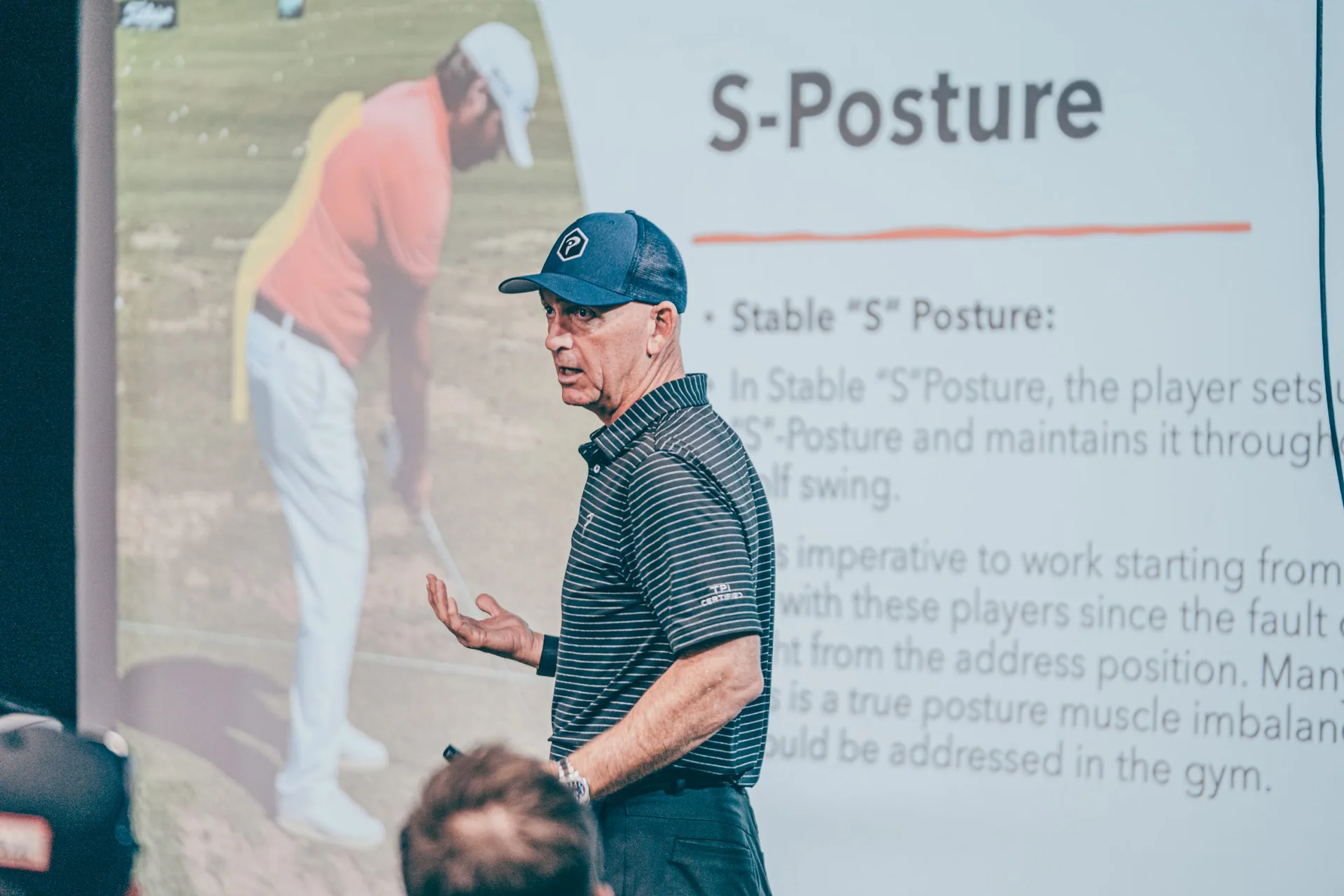
If you do not assess, it is just a guess
There are an infinite number of ways to swing a golf club. However, there is one most-efficient way for each player to swing a club and it is based on what they can physically do.
That is the whole idea, and it is the reason a screen comes before anything else. No two golfers move the same way, because no two bodies are built the same way. A swing that works beautifully for one player may put unnecessary strain on another, simply because of differences in mobility, strength, or stability. So the approach starts with understanding your body first, and your swing second.
Golf is also harder on a body than its reputation suggests, particularly the low back, and the AAOS guide to preventing golf injuries covers the injury patterns that show up most and the conditioning that reduces them.
What the screen looks at
The TPI movement screen is a simple, efficient test that evaluates a golfer’s physical capabilities, including swing mechanics, biomechanics, physical fitness, movement quality, current health, and injury history.
Rather than focusing on technical swing flaws in isolation, this screening helps us determine how those technical elements connect back to the player’s physical abilities and limitations. In many cases, a swing fault that looks like a mechanical issue is actually rooted in a physical limitation, like limited hip rotation or reduced shoulder mobility, that can be identified and addressed directly.
This is why the same fault gets coached out of a golfer over and over and keeps returning. The coaching was never the problem. The hip was.
Building your plan
Once your screening is complete, we use the results to build a plan designed specifically around your body and your game. No two plans look exactly alike, because no two golfers have the same physical profile or performance goals.
Depending on what your screening reveals, your plan may include:
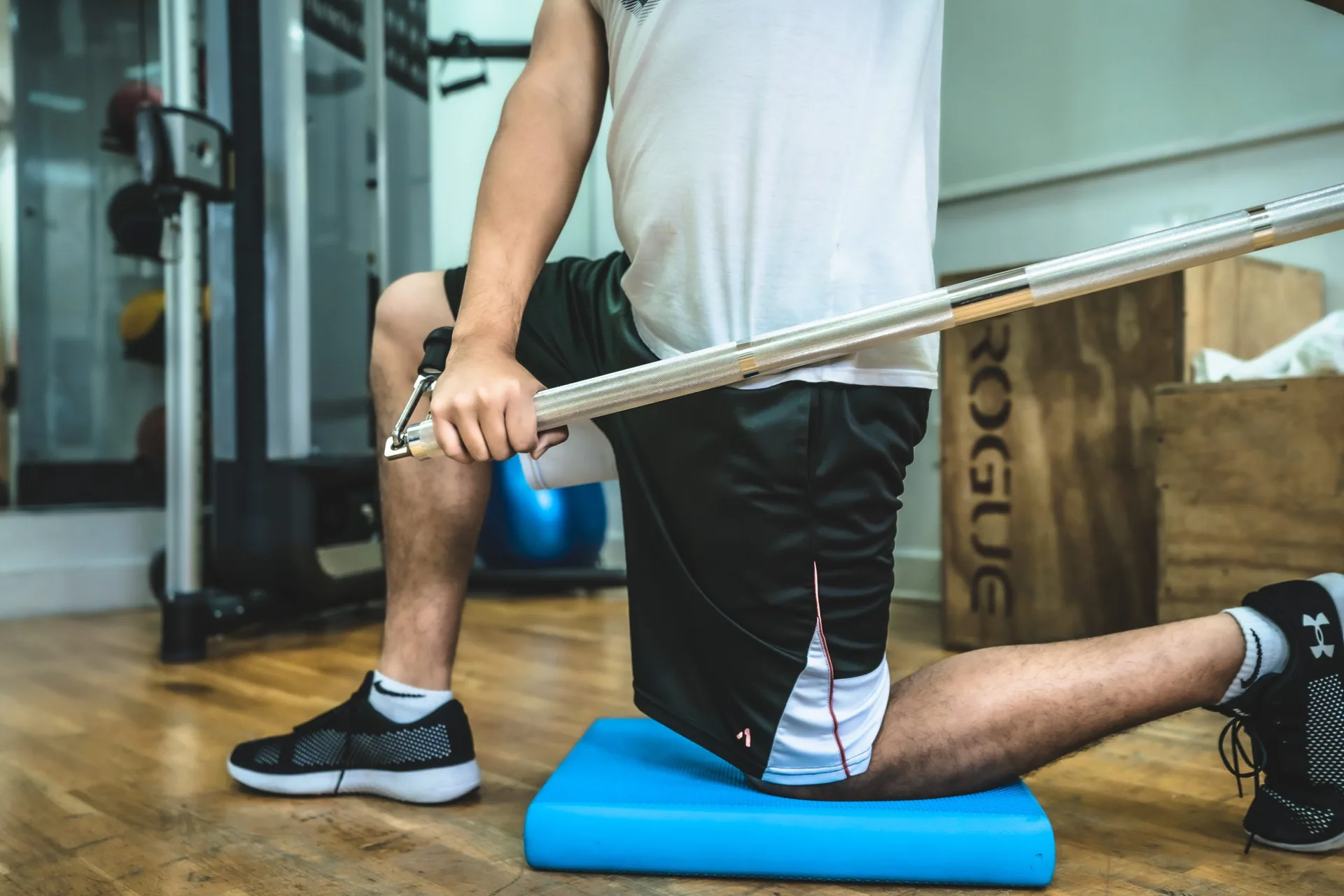
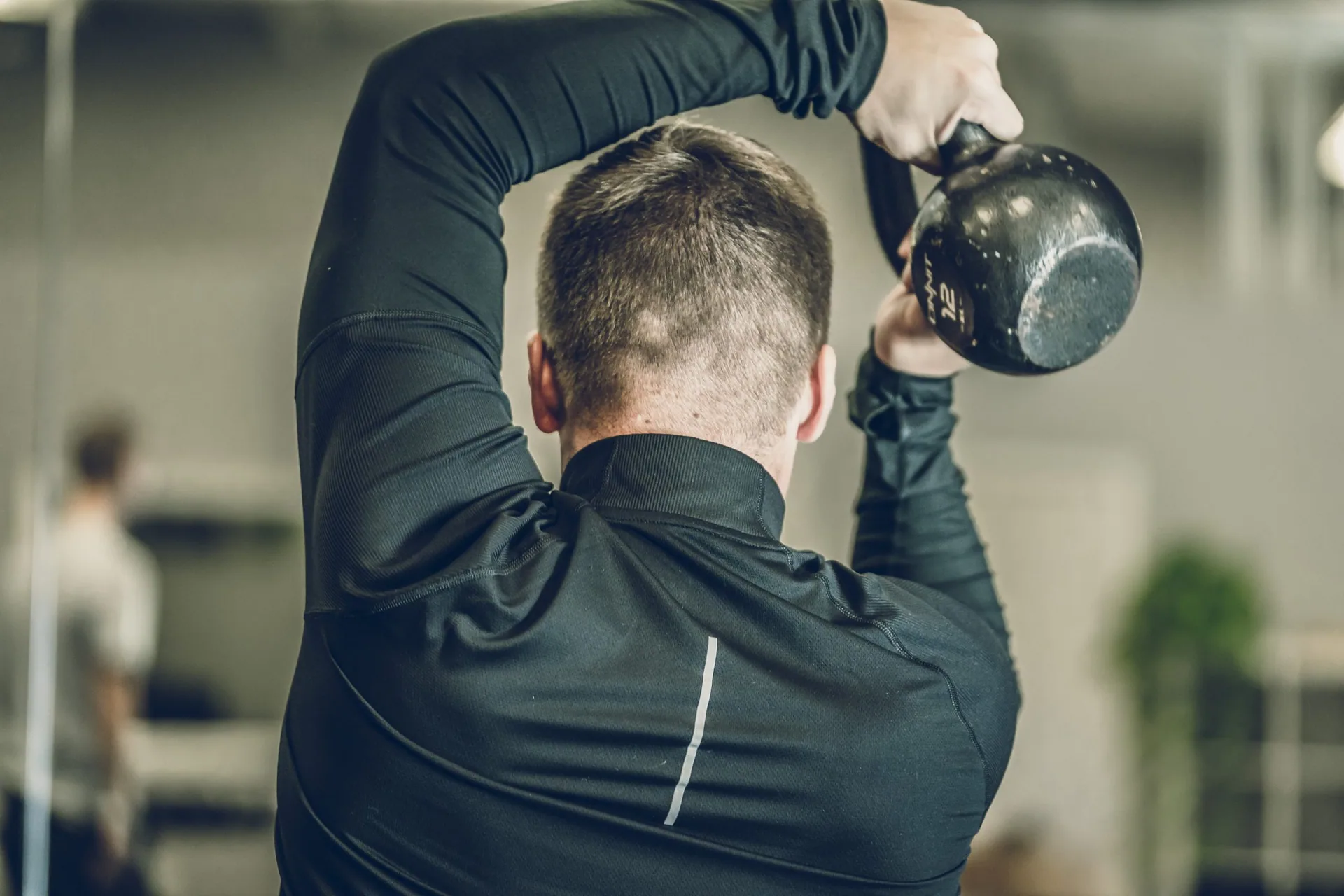
- Fitness training to build strength, mobility, and stability where you need it most
- Treatment to address pain or physical limitations that are restricting you
- Guidance on how swing mechanics and biomechanics connect to what your body can do
- Support for performance and recovery around how much you actually play
Many golfers benefit from a combination of these working together. The goal is to help you swing more efficiently, reduce your risk of injury, and get more out of your body on and off the course.
The handover to your coach
The screen produces something your coach can use. A teaching professional who knows that your lead hip has twenty degrees less internal rotation than your trail hip will stop asking you for a move you physically cannot make, and will get somewhere with the moves you can.
We do not teach the golf swing here, and we are not trying to. The screen is the missing half of a conversation your coach is already having with you.
Conditions we treat with this
How it compares to the alternatives
| Option | Best for | Worth knowing |
|---|---|---|
| A TPI physical screen | A fault that keeps returning no matter how it is coached out | Finds the physical limitation underneath it. Does not teach you to swing. |
| Golf lessons | Technique, strategy and skill development | Essential, and not what this is. The two work best together, which is what TPI was designed for. |
| A club fitting | Equipment that does not match your build or your swing speed | Fixes the club. It cannot give a hip the rotation it does not have. |
| General gym training | Overall strength and conditioning | Valuable, but untargeted. The screen tells you which of it will actually change your swing. |
Who this helps, and who it does not
Usually a good fit
- A swing fault your coach keeps correcting that keeps coming back
- Losing distance or consistency without an obvious technical reason
- Low back, hip or shoulder pain that shows up during or after a round
- Coming back to the game after an injury or a long layoff
Not the right treatment
- An acute injury that has not been assessed yet, which needs the exam first
- Wanting swing instruction, which is a coach's job rather than ours
- Expecting a guaranteed distance gain, because nobody can honestly promise that
- Unwilling to do the between-session work, which is where the change actually happens
If this is you, we will say so and point you somewhere better.
What to expect
- 01 History and goals
How much you play, what the miss looks like, what hurts and when, and any injury history. A screen without that context is a set of numbers with nothing to attach them to.
- 02 The physical screen
A sequence of movement tests covering rotation, stability and mobility through the hips, spine and shoulders. It is quick, and it is done on you rather than on your swing.
- 03 Connecting screen to swing
We walk you through which limitations line up with which characteristics in your swing. This is the part most golfers say they had never had explained.
- 04 The plan
Mobility and strength work where the screen found the gap, treatment where something is genuinely restricted or painful, and a handover your coach can work with.
What it costs and how payment works
A TPI screen sits inside a care plan rather than being sold as a package with a promised outcome. New patients start with the $47 evaluation, covering the consultation, orthopedic and neurological testing, digital imaging if it is clinically necessary, the findings review, and a trial shockwave or red light therapy session where it is appropriate. Performance work is not a covered medical service under Medicare Part B, which covers manual spinal manipulation to correct a subluxation only, so the golf side is typically covered by an in-house care or wellness plan, or CareCredit financing. Where a screen uncovers a genuine injury, that part of care follows the normal path.
Why have it done here
The practice sits at World Golf Parkway, minutes from World Golf Village, in a county where a lot of people play a lot of golf. Dr. Sisak is TPI Medical Level 3 certified, and the treatment side of the building is the same building, so a restriction the screen finds gets treated rather than emailed to someone else.
This sits inside our sports performance care, so if it turns out not to be what you need, the alternative is in the same building.
Book the $47 evaluationWhat patients say
5.0 from 166 Google reviewsWe hold 166 five-star reviews across every kind of care in this practice. Rather than pick one that is not about this treatment, here is the whole profile, unedited.
Where to find us
The clinic sits at 276 Paseo Reyes Dr in St. Augustine, Florida, just off U.S. 1 at World Golf Parkway, near the entrance to the Palencia neighborhood. Most people coming in for golf screening and swing-related pain drive in from across St. Johns County, and the office is a straight run up or down U.S. 1 from either end of it.
- Palencia
- World Golf Village
- Nocatee
- Ponte Vedra
- Julington Creek
- Downtown St. Augustine
Questions we get asked
Is this a golf lesson?
No. A TPI screen assesses your body, not your technique. We find the physical limitation behind a swing characteristic and address it, then your coach can teach a change your body is finally able to make. The two roles are deliberately separate and they work best in that order.
What does TPI certified actually mean?
The Titleist Performance Institute trains and certifies medical providers, fitness professionals and coaches in the body-swing connection. Dr. Sisak holds the Medical Level 3 certification, which is the medical track rather than the coaching one.
Will this add distance to my drive?
It might, and we are not going to promise it. What the screen reliably does is tell you which physical limitations are costing you rotation or stability, and what to do about them. Results vary, and a golfer who does the work between sessions gets a different outcome to one who does not.
I play well but my back hurts afterwards. Is that this?
That is one of the most common reasons golfers end up here. Pain after a round usually means the swing is borrowing motion from somewhere that should be stable, and the screen is designed to find exactly where. Treatment and the movement plan then run together.
Do I need to bring my clubs?
Not for the screen itself, which is a physical assessment. If you have swing video, bring it, because matching what your body does to what your swing does is where most of the value is.
How long before I notice a difference?
Mobility restrictions often change quickly once they are being worked on specifically. Stability and strength gaps take longer because they are a training adaptation rather than a release. You will get a realistic timeline at the findings review rather than a number chosen to sound good.
Request your appointment