
Conditions we treat
Neck and Shoulder Pain Treatment in St. Augustine
Neck and shoulder pain usually comes from one of a small number of drivers: sustained desk and screen posture, a muscle strain, degenerative change in the cervical spine, whiplash, or a nerve being pinched by a disc. The treatment differs for each, so the first job is working out which one you have rather than treating the tightness you can feel.
- Instrument-assisted options for irritable necks
- Digital X-ray on site
- Tailored care, not a cookie-cutter plan

Understanding neck and shoulder pain
Neck and shoulder pain is discomfort across the cervical spine, the upper trapezius and the shoulder girdle, and it is usually mechanical: muscle strain, poor sustained posture, cervical spondylosis, whiplash, tendinitis, bursitis, a pinched nerve or a herniated disc. Persistent pain that is not improving with rest can be a sign of a more serious underlying issue such as disc degeneration or arthritis.
From daily habits like sitting at a desk with poor posture, to unexpected events like a car accident, there are many situations that can leave you dealing with unpleasant neck and shoulder pain. The approach here is to identify the source of your pain first, then apply the right adjustments and treatments to provide lasting relief.
Everything from poor posture day in and day out, to sports injuries, to improper lifting technique can leave you dealing with shoulder and neck pain. In some cases, persistent pain can be a sign of a more serious underlying issue, such as disc degeneration or arthritis. the MedlinePlus overview of neck injuries and disorders is a useful reference on the range of neck problems and which of them warrant prompt medical assessment.
What the first visit involves
When patients come to our St. Augustine clinic for the first time, we go through your medical history, including past surgeries and injuries, and ask detailed questions about your symptoms. That consultation is what tells us about your lifestyle and what may be contributing to the pain, and it usually explains more than the examination that follows it.
From there we perform a comprehensive physical evaluation. In some cases imaging is necessary to diagnose issues like a herniated disc, arthritis or a pinched nerve, and digital X-ray is on site for exactly that.
Why the desk is usually part of the treatment
A neck that hurts from eight hours at a screen will feel better after treatment and be back where it started by Friday, unless something about those eight hours changes.
So the plan generally includes the unglamorous half: monitor height, where the keyboard sits, how often you get up, and what your neck is doing on your phone in the evening. Adjustments and soft tissue work create the window. The ergonomics and the strengthening are what keep it open.
Symptoms people describe
- Stiffness that makes checking a blind spot uncomfortable
- Aching across the top of the shoulders by the end of a work day
- A sharp catch on one side when turning your head
- Headaches starting at the base of the skull
- Numbness or tingling into the arm, hand or fingers
- Pain that worsens after long stretches at a screen
- Weakness in the arm, or dropping things more than usual
- Difficulty finding a sleeping position that does not aggravate it
You do not need all of these. If two or three sound like your week, that is enough to be worth examining.
What causes it
Poor sustained posture and tech neck
Prolonged poor posture, especially from desk work or screen time, gradually strains the muscles and joints in the neck and shoulders. The load is small but it is applied for eight hours a day, which is why this is the most common driver we see.
Muscle strain
A specific overload from lifting badly, sleeping awkwardly or a sports injury. This tends to have a clear start date, which distinguishes it from the postural pattern that builds over months.
Cervical spondylosis
Degeneration of the cervical spine. Discs lose height and the joints develop arthritic change, which narrows the space nerves travel through and makes the neck less tolerant of positions it used to manage.
Whiplash
The neck forced beyond its normal range, usually in a collision. Left uncorrected it can lead to long-term pain and improper healing, which is why it is worth treating even when it feels manageable.
Pinched nerve or herniated disc
When a disc bulges or a joint narrows the opening a nerve root passes through, the pain stops being local and starts travelling into the arm, often with numbness or tingling.
Tendinitis and bursitis
Irritation of a tendon or a bursa in the shoulder itself, which produces pain on specific movements rather than the general ache of a postural problem.
How we treat neck and shoulder pain in St. Augustine
We treat neck and shoulder pain with chiropractic adjustments to realign the spine and improve overall function, shockwave therapy to relieve pain particularly at trigger points, decompression therapy to gently stretch the spine and take pressure off the discs, and instrument-assisted adjustments that apply precise, controlled force where a manual technique would be too much.
Chiropractic Adjustments
Adjustments to realign the spine and improve overall function, including instrument-assisted techniques that apply precise, controlled force to an irritable neck.
Read about chiropractic adjustmentsSoft Tissue Treatments
Myofascial release and trigger point work through the upper trapezius, levator and shoulder girdle, which is where most of the tightness actually sits.
Read about soft tissue treatmentsShockwave Therapy
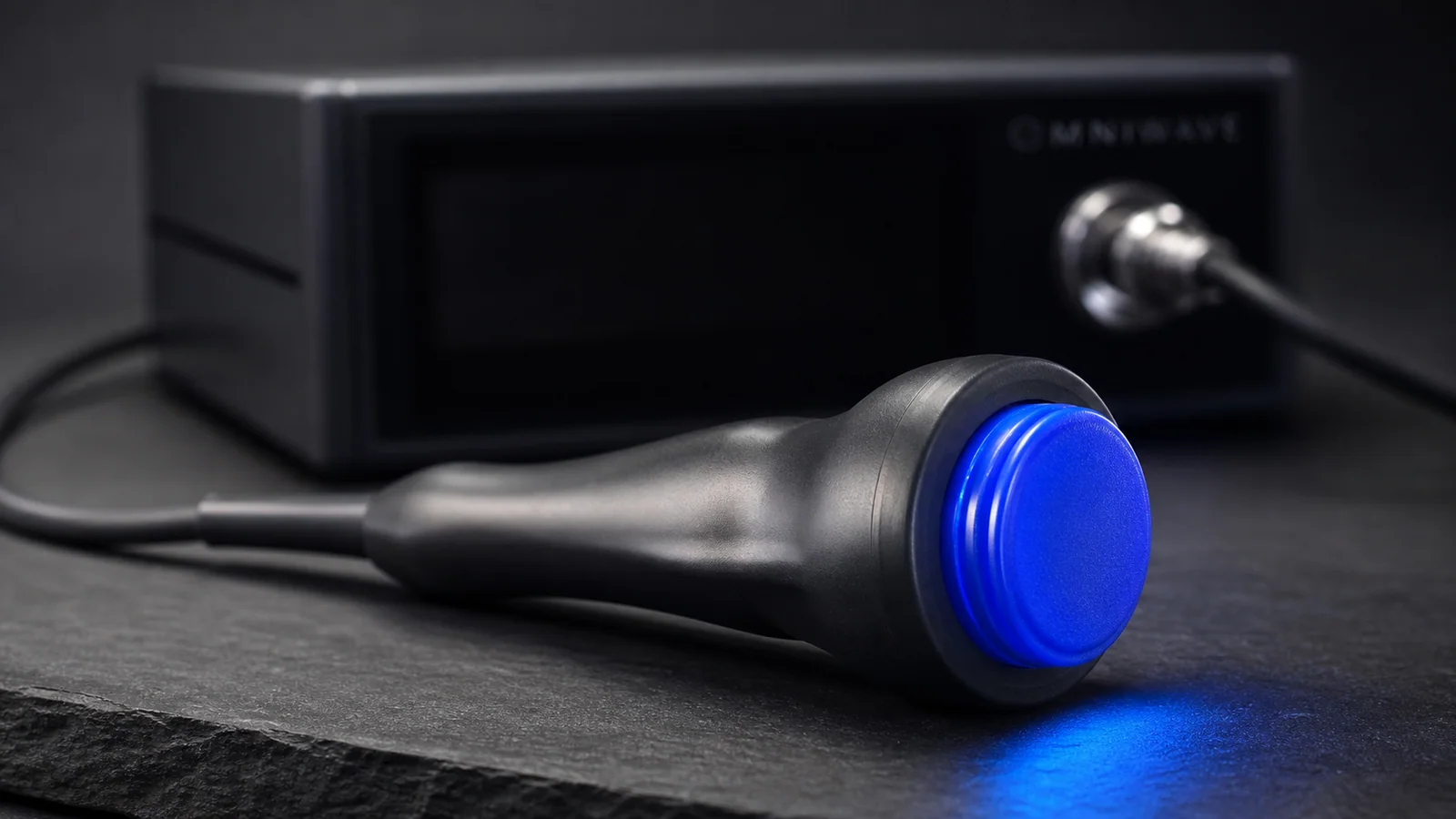
OmniWave therapy to relieve pain particularly at trigger points, a common source of neck pain that has stopped responding to hands-on work.
Read about shockwave therapyNon-Surgical Spinal Decompression
Decompression to gently stretch the spine and take pressure off the discs, when a cervical disc is pinching a nerve and referring into the arm.
Read about non-surgical spinal decompressionCustomized Rehab
Strengthening for the deep neck flexors and the mid-back, so the posture that caused this stops rebuilding it every working day.
Read about customized rehabWhole Body Red Light Therapy
Whole body sessions on the TrifectaLight PRO 450 bed, used alongside hands-on care to support recovery between visits rather than in place of it. Results vary.
Read about whole body red light therapyYour options, including the ones we do not offer
| Option | Best for | Worth knowing |
|---|---|---|
| Conservative chiropractic care | Mechanical neck and shoulder pain, which is most of it | Adjusting, soft tissue work and rehabilitation, with ergonomic changes alongside. |
| Shockwave or decompression added | Stubborn trigger points, or a disc pinching a nerve | Added to the plan when hands-on care alone has plateaued. |
| Injections | Severe inflammatory pain or an irritable shoulder bursa | We do not perform these. A medical provider does, and we refer when it is the sensible step. |
| Shoulder or cervical surgery | A structural tear, or genuine failure of conservative care | Outside our scope. We will tell you when we think an orthopedic opinion is the right next call. |
Recovery and how long it takes
This depends on the cause and severity. Some patients notice improvement within a few sessions, while more complex or long-standing issues may require an extended care plan. Postural neck pain is usually the fastest to change and the slowest to stay changed, because the desk that built it is still there. Nerve involvement takes longer and is tracked by whether the symptoms are retreating up the arm toward the neck, which is the sign the pressure is coming off.
Results vary. Any timeline is an expectation built from your exam, not a promise.
When it needs more than us
Book with a medical provider, or go to an emergency department, if you have any of these:
- Neck pain after a significant fall or collision, before any treatment
- Progressive weakness or clumsiness in the hands, or trouble with fine movements
- Unsteadiness on your feet alongside neck pain
- Severe headache of sudden onset, or neck stiffness with a fever
- Unexplained weight loss, or a history of cancer with new neck pain

Patients with this problem
5.0 from 166 Google reviewsThe entire team at Spinal Solutions has been great from start to finish. Knowledgeable, friendly and effective, my neck and back issues have never been kept at bay the way they have since I have been in Dr. Derek’s care. 10/10 recommend!
Who you would be seeing
At Spinal Solutions we believe in tailored care rather than a cookie-cutter approach, which gives patients the best chance at effective, long-term recovery. In practice that means the first visit is spent on your history, past surgeries and injuries, and a comprehensive physical evaluation, before anybody decides what technique you are getting.
Care for this runs through our conditions we treat, so if the exam points somewhere other than where you expected, the right treatment is already in the building.
Book the $47 evaluationWhere to find us
The clinic sits at 276 Paseo Reyes Dr in St. Augustine, Florida, just off U.S. 1 at World Golf Parkway, near the entrance to the Palencia neighborhood. Most people coming in for neck and shoulder pain drive in from across St. Johns County, and the office is a straight run up or down U.S. 1 from either end of it.
- Palencia
- World Golf Village
- Nocatee
- Ponte Vedra
- Julington Creek
- Downtown St. Augustine
Questions we get asked
When should I see a chiropractor for neck or shoulder pain?
If your pain has lasted more than a few days, is not improving with rest, or is limiting your range of motion, it is worth scheduling an evaluation. Persistent pain can also be a sign of an underlying issue that benefits from early treatment.
Is chiropractic care effective for a pinched nerve?
Many patients find relief through chiropractic adjustments that reduce pressure on the affected nerve. Your chiropractor will confirm the diagnosis and recommend the most appropriate treatment plan for your specific case.
How many visits does it typically take to feel relief?
This depends on the cause and severity of your pain. Some patients notice improvement within a few sessions, while more complex or long-standing issues may require an extended care plan.
Can poor posture alone cause chronic neck pain?
Yes. Prolonged poor posture, especially from desk work or screen time, can gradually strain the muscles and joints in the neck and shoulders, leading to chronic discomfort over time.
What if I do not want my neck adjusted?
That is a completely reasonable position and it is a common one. Instrument-assisted adjusting applies a precise, controlled force with no twisting and no cavitation, and soft tissue work, traction and rehabilitation all address the neck without a manual adjustment. Tell us at the first visit and the plan gets built accordingly.
Is my shoulder pain actually coming from my neck?
Often, yes. A nerve root irritated in the cervical spine refers pain into the shoulder and down the arm, which is why treating the shoulder alone can go nowhere. The examination distinguishes a shoulder problem from a neck problem referring into it, and that distinction changes the whole plan.
Request your appointment
Start with an exam,
not a guess.
Reading on this, from us
Written by the doctors here, on the same treatment this page describes.
7 Conditions Shockwave Therapy Can Help With
From heel pain to jaw tension, here are seven conditions this practice generally considers for shockwave therapy, and why the exam decides case by case.
Read the articleSeptember 3, 2026How Red Light Therapy Actually Works
Photobiomodulation is the real name for red light therapy, and the mechanism behind it centers on mitochondria. Here is the honest version of how it works.
Read the articleSeptember 3, 2026How Shockwave Therapy Helps Stubborn Pain Heal
Tendon pain that outlasts normal healing time behaves differently than a fresh strain. Here is what shockwave therapy actually does about it, and what it does not.
Read the article